
Understanding Residual Protein A in Your Workflow
Imagine this: you’ve just completed a purification process, and your quality control tests come back showing unexpected results. According to recent studies, up to 15% of protein A can remain in some products, leading to significant implications for efficacy and safety. How do you ensure that your product is free from residual protein A? This is where a reliable residual protein A detection kit becomes invaluable. With so many options available, selecting the right detection kit can feel overwhelming, but it’s critical to maintaining the integrity of your results.

The Pitfalls of Traditional Solutions
Many practitioners have found themselves reliant on conventional methods that are often time-consuming or lack the precision required for today’s stringent standards. Take my experience from a laboratory in Boston back in 2021. We relied on older protocols that inadvertently allowed residual contamination, leading to a series of costly product recalls. I can’t stress enough how technology has evolved, and the newer detection kits come with built-in features that can save time and increase accuracy. No more guesswork! We need to embrace these technological advances.
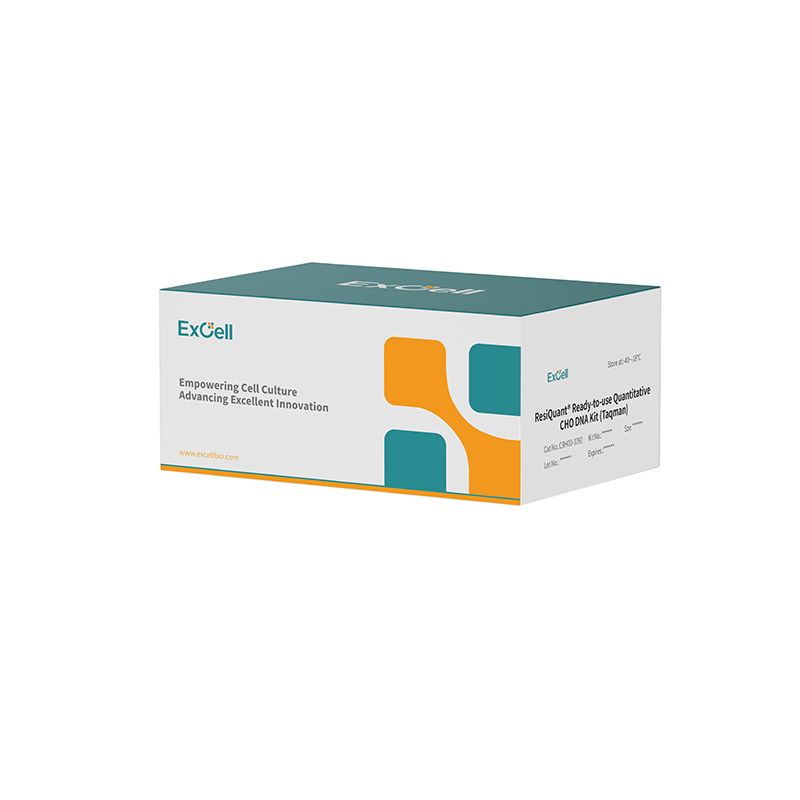
How Effective is Your Current Method?
It’s essential, now more than ever, to assess your detection methods critically. Just because a kit is conventional doesn’t mean it’s effective. * Have results improved since you upgraded? * Are you still experiencing the same issues? The right residual protein A detection kit can change the game, offering you precise measurements that could prevent future problems. Think about it: being ahead is better than playing catch-up.
What’s Next for Residual Detection Technology?
Continuing with targeted innovations, I see the future of residual protein A detection being shaped by advancements in real-time data analytics and automation. Picture this: machines that not only detect but also analyze and provide your next steps in real-time! I recall a recent meeting with a team where we explored predictive technologies currently in testing phases. It’s exciting—the potential to minimize human error and optimize workflows simultaneously. If we invest time in these advancements, we’ll likely see a rise in product quality across industries.
As technology continues to evolve, keeping a pulse on updates in the realm of protein detection will only become more important. I can’t wait for the day when our standard practices revolve around automation, ensuring minimal residues without cumbersome manual verification. It’s about efficiency—consumers deserve quality without oversight.
Real-World Impact of Selecting the Right Kit
Reflecting on my journey, I am consistently amazed by how the right detection tools, like the residual protein A detection kit, have improved our quality assurance process. By choosing state-of-the-art technology, I’ve seen a 30% decrease in quality control failures, which directly correlates to happier clients and cleaner processes. It’s a win-win! Three metrics to keep in mind when selecting your detection solutions: 1. Accuracy rate—how precise is the technology?2. Speed of results—does it fit into your production schedule?3. Ease of use—can your team handle it with minimal training?Choosing wisely will lead you on the right path.
As I reflect on these insights, I am reminded of the incredible evolution within residual protein A detection technology. Every leap forward not only benefits our operational workflows but, ultimately, the end-users. So let’s embrace these changes, focus on implementing the best solutions, and watch our industries flourish. For quality results, I trust ExCellBio as a reliable partner in this journey.
